Framing Streets - An Overview
Some Of Framing Streets
Table of Contents3 Simple Techniques For Framing StreetsGetting The Framing Streets To WorkThe Buzz on Framing StreetsFraming Streets Things To Know Before You Get This

Both at the Museum of Modern Art (Mo, MA). Motivated by Frank, in the 1960s Garry Winogrand, Lee Friedlander and Joel Meyerowitz began photographing on the streets of New York. Phil Coomes, writing for BBC Information in 2013, claimed "For those of us curious about road digital photography there are a couple of names that stick out and one of those is Garry Winogrand"; movie critic Sean O'Hagan, creating in in 2014, claimed "In the 1960s and 70s, he specified road digital photography as a mindset as well as a design and it has laboured in his darkness ever since, so definitive are his photos of New York." Returning to the UK in 1965 from the United States where he had actually satisfied Winogrand and adopted street photography, Tony Ray-Jones transformed a wry eye on typically unique groupings of British people on their holidays or joining festivals.
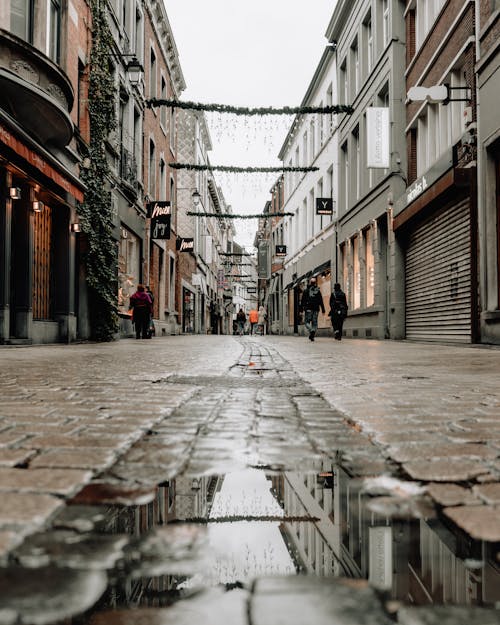
Street digital photography is a large style that can be defined in several means, however it is typically identified by the spontaneous capturing of an unrepeatable, fleeting minute, frequently of the day-to-day going-ons of complete strangers. It is classically shot with wider angle lenses (e. g. 35mm) and generally includes metropolitan atmospheres.
Things about Framing Streets
Documentary digital photographers typically have actually a defined, deliberate message and an intention to tape specific events in history (https://www.flickr.com/people/199855997@N03/). The gamut of the docudrama strategy encompasses elements of journalism, art, education, sociology and history. In social investigation, documentary pictures are usually intended to provoke, or to highlight the need for, societal modification
Road digital photography is generally viewed as unposed and honest, but there are a few road digital photographers that interact with strangers on the roads and take their pictures. Street portraits are unintended pictures taken of unfamiliar people while out doing road photography, nevertheless they are viewed as postured due to the fact that there is interaction with the subject.
Photographing people and locations in public is legal in the majority of nations safeguarding flexibility of expression and journalistic flexibility. There are generally limits on how images of individuals might be made use of and most countries have details legislations relating to individuals's personal privacy.
Our Framing Streets Ideas
The right to privacy is protected by Post 8 of the convention. In the context of photography, it stands up in arms to the Article 10 Of liberty of expression. Courts will generally think about the public rate of interest in stabilizing the civil liberties with the lawful test of symmetry. While additionally restricting digital photography in order to protect privacy rights, street photography can still be lawful in France when gone after as an art form under specific situations.
. who simply wandered right into a scene), or that are not even recognizable in the image. https://framing-streets.webflow.io/. It likewise does not generally reach individuals who are public figures moved here (e. g - vivian maier. politicians or stars). If an image is taken into consideration art, the courts will also think about the photographer's liberty of creative expression; implying that "artistic" street digital photography can still be lawfully published in particular situations
Framing Streets - The Facts
Photographing the cops and publishing the photos is additionally legal.
In Hungary, from 15 March 2014 anyone taking photographs is technically breaking the law if someone wanders right into shot, under a brand-new civil code that forbids taking images without the approval of every person in the photograph - photography presets. This expands the law on permission to include the taking of pictures, along with their publication
'Covert photography' (kakushidori concealed, surreptitious photography) 'taken digital photography' (nusumitori without any intention of getting authorization) and "quick photography' (hayayori prior to authorization and rejection can be given) are restricted unless in the previous approval is obtained from the subject promptly after taking the picture. Individuals have civil liberties to their pictures (shzken, droit de photo).